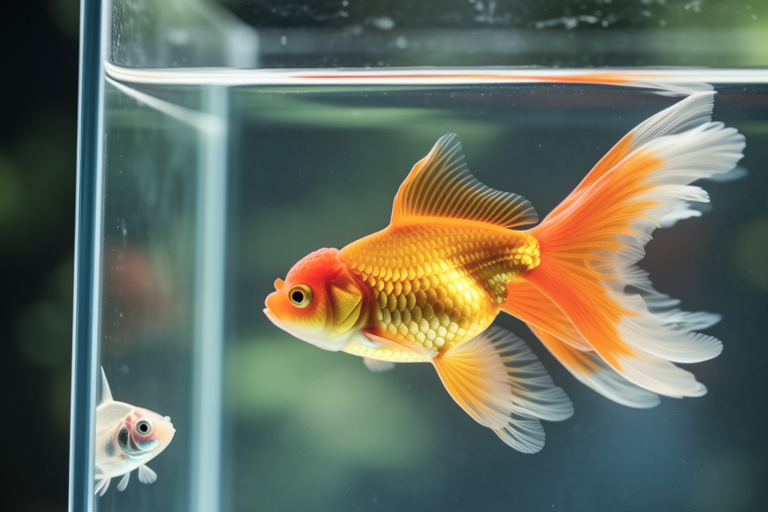
Goldfish: From Tiny Fry to Majestic Swimmers
Goldfish are among the most popular aquatic pets worldwide, cherished for their vibrant colors and gentle nature. These delightful creatures start their lives as tiny fry, no bigger than a grain of rice, and grow into magnificent swimmers capable of captivating any observer. This article will guide you through the fascinating journey of a goldfish’s life, from its initial stages as a fry to its adulthood, providing essential information on growth, diet, environment, and care.
The Birth of a Goldfish: The Fry Stage
The life of a goldfish begins in a breeding tank, where eggs are laid by female goldfish and fertilized by males. Within days, these eggs hatch into fry, which are incredibly small and transparent. At this stage, they are highly vulnerable and require special care. Fry need a clean, well-oxygenated environment free from predators and strong water currents. The water temperature should be maintained between 68°F and 74°F (20°C to 23°C) to ensure optimal growth.
Initially, fry feed on microscopic organisms found in the water, such as infusoria. As they grow, they can be introduced to finely ground flake food or specialized fry food. It is crucial to feed them several times a day, ensuring they consume all the food within a few minutes to prevent waste and contamination of the water.
Growth and Transformation: From Fry to Adult
The transition from fry to adult is marked by significant physical changes. Within the first month, fry develop their characteristic gold color and begin to grow rapidly. By the end of the second month, they reach about half an inch in length. During this phase, it is essential to provide them with ample space and proper nutrition to support their growth.
As they mature, goldfish continue to grow, reaching their full size in two to three years. The average size of a fully grown goldfish ranges from four to eight inches, depending on the breed. Regular feeding with a balanced diet rich in proteins, vitamins, and minerals is vital for their health and longevity.
Environmental factors also play a critical role in the growth of goldfish. They thrive in well-maintained tanks equipped with filters, heaters, and proper lighting. Regular water changes and monitoring of water parameters, such as pH, ammonia, nitrite, and nitrate levels, are necessary to ensure a healthy living environment.
Dietary Needs and Environmental Requirements
A balanced diet is key to a goldfish’s health and vitality. A mix of high-quality flakes, pellets, and occasional live or frozen foods like brine shrimp and bloodworms provides the nutrients needed for optimal growth. Avoid overfeeding, as excess food can lead to poor water quality and digestive issues.
Goldfish are coldwater fish, but they still require stable water temperatures and good oxygenation. A well-filtered tank with appropriate aeration ensures they receive sufficient oxygen. Additionally, maintaining a consistent temperature between 68°F and 74°F (20°C to 23°C) promotes their overall health.
Proper filtration is crucial for removing waste and maintaining water clarity. Filters should be chosen based on the tank’s size and the number of fish. Regular cleaning of the filter and performing partial water changes every week help keep the water clean and free from harmful toxins.
Maintaining a Healthy Habitat
To create a thriving environment for your goldfish, it is essential to consider several factors. First, the tank size should be adequate for the number of fish. A general rule of thumb is one gallon of water per inch of fish. For example, a 20-gallon tank can comfortably house five to six goldfish.
Substrate and decorations add visual appeal and provide hiding spots for the fish. However, avoid overcrowding the tank with too many plants or ornaments, as this can reduce swimming space and increase maintenance. Live plants can be beneficial, as they help improve water quality and provide natural hiding places. Popular choices include Java fern, Anubias, and Amazon sword.
Lighting is another important aspect of a goldfish’s habitat. While goldfish do not require long hours of light, a daily cycle of 8 to 10 hours simulates a natural day-night rhythm, promoting healthy behavior and reducing stress.
Common Health Issues and Spotting Signs of Illness
Despite their hardiness, goldfish can fall ill if not provided with proper care. Common health issues include fin rot, ich, and swim bladder disorder. Fin rot is characterized by frayed, discolored fins and can be caused by poor water quality or bacterial infections. Ich presents as white spots on the fish’s body and can be treated with medication specifically designed for this condition.
Swim bladder disorder, often seen in overfed fish, causes buoyancy problems. Affected fish may float upside down or struggle to maintain balance. Adjusting the diet and ensuring the fish is not overfed can help alleviate this issue. Regularly monitoring the fish for unusual behavior or physical changes allows for early detection and treatment of potential health problems.
Behaviors and Characteristics of Majestic Swimmers
Goldfish exhibit a range of behaviors that make them fascinating to observe. They are social animals that enjoy the company of other goldfish and can form close bonds with their human caretakers. Goldfish are known for their intelligence and ability to recognize faces, often responding to their owners with excitement when fed.
One of the most remarkable aspects of goldfish is their adaptability. They can survive in various environments, from small bowls to large ponds, making them versatile pets. Their graceful swimming patterns and playful interactions with their surroundings showcase their majestic nature.
Goldfish come in a variety of breeds, each with unique features and characteristics. Some popular varieties include the comet, shubunkin, and ryukin. Each breed has its distinct coloration and body shape, adding diversity to any aquarium.
Conclusion
From tiny fry to majestic swimmers, the life of a goldfish is a testament to the wonders of nature. With proper care and attention, goldfish can thrive in their habitats, bringing joy and beauty to any home. By understanding their dietary needs, environmental requirements, and common health issues, aquarists can ensure their goldfish live long, healthy, and happy lives. Embrace the charm and adaptability of these magnificent creatures, and experience the rewarding world of goldfish ownership.
