Beyond the Blue Eyes: Discovering Unique Traits of Siberian Huskies
Siberian Huskies are one of the most recognizable dog breeds in the world, often associated with their striking blue eyes. However, there is so much more to these captivating creatures than just their iconic eye color. This article delves into the rich history and origins of Siberian Huskies, explores their unique physical traits, and examines their behavior, exercise needs, dietary considerations, and common health issues. By the end, you will have a comprehensive understanding of what makes Siberian Huskies such special dogs.
History and Origins
The Siberian Husky has a long and storied history that dates back thousands of years. Originating from the Chukchi people of Northeastern Asia, these dogs were bred to withstand the harsh, frigid conditions of the Siberian tundra. They were originally used as sled dogs, known for their endurance, speed, and ability to travel long distances without tiring. The first Siberian Huskies were brought to Alaska in the early 20th century during the Nome Gold Rush. They quickly gained fame for their role in the famous serum run of 1925, when a team of Siberian Huskies delivered life-saving diphtheria antitoxin across hundreds of miles of treacherous terrain to save the lives of children in Nome, Alaska. This event solidified their reputation as hardworking, reliable, and brave dogs.
Physical Traits
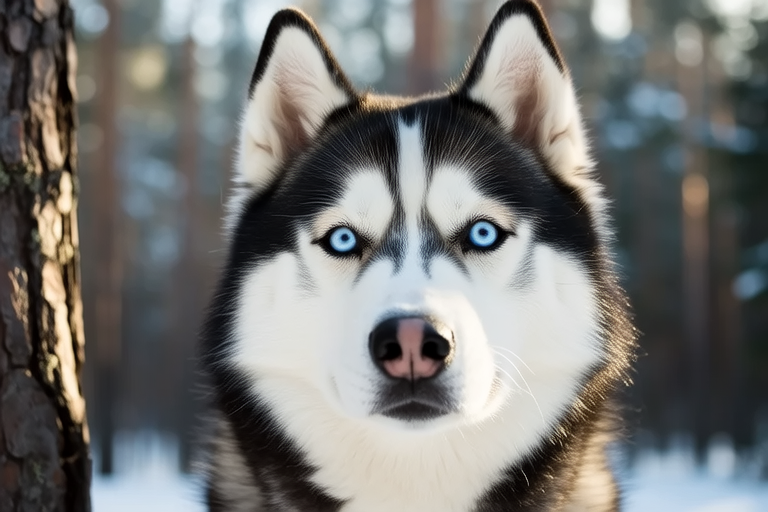
While Siberian Huskies are indeed known for their piercing blue eyes, they possess many other remarkable physical features. Their medium-sized bodies are covered in a thick, double-layered coat that provides excellent insulation against cold weather. The outer layer is made up of straight guard hairs, while the inner layer consists of soft, dense undercoat. This coat comes in a variety of colors and patterns, including black and white, gray and white, copper-red, and pure white. Additionally, Siberian Huskies have a distinctive facial mask, which is typically darker around the eyes and muzzle, adding to their striking appearance.
One of the most notable physical traits of Siberian Huskies is their ears. Known as “Siberian ears,” these triangular-shaped ears stand erect and are set wide apart on the head. These ears help the dogs detect sounds from various directions, which is useful when working as sled dogs. Another unique feature is their tail, which is thick and plume-like, curling over their back like a fox’s tail. This tail serves multiple purposes, including protecting their face and nose from the cold when they rest. Their feet are also adapted for their environment, featuring thick fur between the toes to prevent snow from accumulating and causing discomfort.
Behavioral Characteristics
Siberian Huskies are known for their friendly and outgoing personalities. They are generally good-natured, affectionate, and social dogs who thrive in the company of humans and other animals. Despite their gentle demeanor, they can be quite independent and strong-willed at times. This trait stems from their history as working dogs, where they had to make decisions on their own in challenging environments. While they may not always follow commands as readily as some other breeds, they are highly intelligent and can learn new tricks and behaviors with patience and positive reinforcement.
Energy levels are another defining characteristic of Siberian Huskies. They are an active breed that requires regular exercise to maintain their physical and mental well-being. Without adequate activity, they can become restless and destructive. On the flip side, when properly exercised, they are calm and well-behaved indoors. It is important to provide them with opportunities for both physical and mental stimulation, such as long walks, runs, or interactive games.
Exercise Needs
Given their high energy levels, Siberian Huskies require substantial daily exercise to stay healthy and happy. A minimum of one to two hours of vigorous activity per day is recommended, including running, hiking, and playing fetch. They excel in activities that challenge their minds and bodies, such as agility training, obedience courses, and sledding. Providing them with outlets for their energy not only helps prevent boredom but also strengthens the bond between owner and dog.
Dietary Considerations
When it comes to feeding Siberian Huskies, it is crucial to provide them with a balanced diet that meets their nutritional needs. High-quality commercial dog food that is specifically formulated for large, active breeds is usually sufficient. However, individual dogs may have different requirements based on factors such as age, weight, and activity level. Consultation with a veterinarian can help determine the best diet for your Siberian Husky. Additionally, it is essential to monitor their food intake to avoid obesity, which can lead to various health problems.
Common Health Issues
Like all dog breeds, Siberian Huskies are prone to certain health issues. Some of the most common include hip dysplasia, progressive retinal atrophy (PRA), and cataracts. Regular veterinary check-ups can help catch these conditions early and manage them effectively. Proper care, including a balanced diet, regular exercise, and routine health screenings, can go a long way in ensuring your Siberian Husky enjoys a long and healthy life.
Advice for Potential Owners
If you’re considering bringing a Siberian Husky into your home, there are several important factors to keep in mind. First and foremost, ensure you are prepared for the time and effort required to meet their exercise and mental stimulation needs. A yard or access to a safe outdoor area is essential, as is commitment to regular training sessions. Socialization is also critical, especially during puppyhood, to ensure your Siberian Husky grows up to be a well-adjusted and friendly adult dog.
It is equally important to research reputable breeders who prioritize the health and welfare of their dogs. Avoid impulse purchases and instead focus on finding a responsible breeder who can provide you with a healthy and well-socialized puppy. Once you bring your Siberian Husky home, establish clear rules and boundaries from the beginning to guide their behavior. Consistency and positive reinforcement are key to successful training.
Myths About the Breed
Despite their popularity, there are several misconceptions about Siberian Huskies that deserve clarification. One common myth is that they are aggressive. In reality, Siberian Huskies are typically gentle and friendly dogs who are not prone to aggression. Another misconception is that they are easy to train due to their intelligence. While they are smart, their independent nature can make them challenging to train if not approached with patience and consistency. Lastly, some people believe that Siberian Huskies are suitable for apartment living. Given their high energy levels and need for space, they are better suited for homes with yards and ample room to roam.
In conclusion, Siberian Huskies are truly remarkable dogs with a rich history, unique physical traits, and distinct behavioral characteristics. By understanding and addressing their specific needs, you can provide your Siberian Husky with a fulfilling and happy life. Whether you’re a seasoned dog owner or considering adopting your first furry friend, Siberian Huskies offer a rewarding companionship that is sure to enrich your life.
