Tarantula Care Made Easy: A Guide for Chilean Rose Owners
Welcome to your comprehensive guide on caring for Chilean rose tarantulas! Whether you’re a beginner or an experienced owner, this article will provide you with all the essential information you need to ensure your pet tarantula thrives in its new home. Let’s dive into the world of these fascinating creatures and learn how to give them the best care possible.
Understanding Your Pet: The Chilean Rose Tarantula
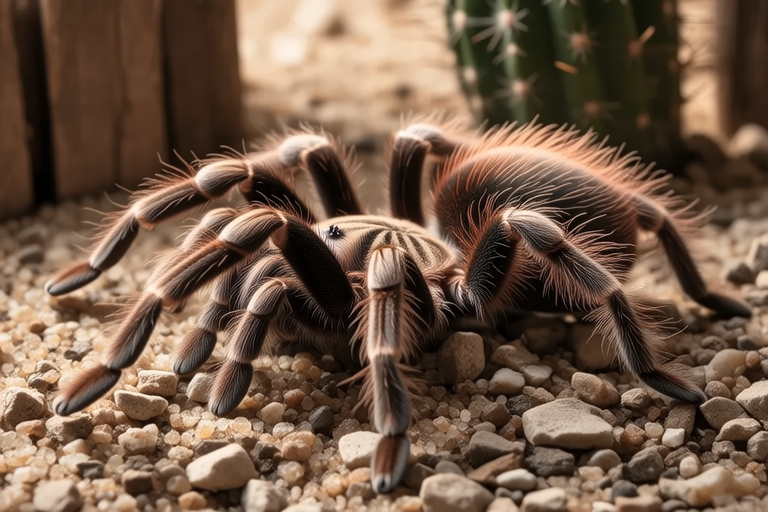
The Chilean rose tarantula (Grammostola rosea) is one of the most popular species among tarantula enthusiasts. Known for their docile nature and vibrant pink coloration, they make excellent pets for those new to tarantula ownership. They originate from the deserts and scrublands of South America, particularly in Chile, Argentina, and Peru.
Habitat Setup: Creating a Comfortable Home
Setting up the perfect habitat for your Chilean rose tarantula is crucial. Start by choosing an appropriate enclosure. A 5-gallon tank is suitable for a single adult tarantula. Ensure the enclosure has a secure lid to prevent escapes. Use a substrate such as coconut fiber or reptile bark to create a natural environment. Maintain a depth of around 3 inches to allow burrowing. Add a few hiding spots like cork bark or half logs to mimic their natural habitat.
Temperature and humidity levels are vital. Aim for a temperature range between 75°F and 85°F. Humidity should be kept at approximately 60%. Use a digital thermometer and hygrometer to monitor these conditions accurately. Provide a shallow water dish filled with dechlorinated water for hydration.
Diet Specifics: Feeding Your Tarantula
Chilean rose tarantulas are primarily insectivores. Feed them appropriately sized crickets, mealworms, or dubia roaches once or twice a week. Ensure prey items are no larger than the width of the tarantula’s abdomen. Gut-load feeder insects with nutritious foods before feeding them to your tarantula to enhance nutritional value.
Always remove uneaten prey after 24 hours to maintain hygiene. Some tarantulas may refuse food during molting or when stressed. If your tarantula stops eating, observe for signs of illness or stress. Offer food again once it shows interest.
Handling Advice: Interacting Safely with Your Tarantula
Handling your tarantula can be rewarding but requires caution. Always wash your hands before and after handling to avoid transferring oils or chemicals. Gently scoop your tarantula out of its enclosure using a soft brush or paper towel. Support its entire body, especially the abdomen, to prevent injury.
Avoid handling your tarantula during or immediately after molting, as they are more vulnerable during this time. Additionally, never force your tarantula to interact if it appears uncomfortable or stressed. Respect its space and let it acclimate to its surroundings.
Health Issues to Watch For
Regular observation is key to maintaining your tarantula’s health. Look for signs of dehydration, such as wrinkled skin, or regurgitation, which might indicate overfeeding. Mites or other parasites can also pose a threat. Keep the enclosure clean and check for unusual behavior like lethargy or refusal to eat.
Molting is a natural process but can be stressful for your tarantula. During this time, ensure high humidity and minimal disturbance. Once the molt is complete, remove the old exoskeleton to prevent contamination.
Common Myths About Chilean Rose Tarantulas
One common myth is that tarantulas are aggressive. In reality, Chilean rose tarantulas are generally calm and docile, making them ideal pets for beginners. Another misconception is that tarantulas require constant interaction. While they can be handled, they prefer solitude and should not be disturbed frequently.
Some people believe that tarantulas bite aggressively. While they can bite if provoked, their venom is mild and typically causes only minor irritation. Handling your tarantula gently and respecting its space can minimize the risk of bites.
Advanced Tips for Experienced Owners
For experienced owners, consider adding live plants to the enclosure to enhance aesthetics and provide additional hiding spots. Ensure any plant is safe for tarantulas and won’t release harmful substances. You can also try different substrate types to see what your tarantula prefers.
Experiment with feeding schedules and prey variety to determine what your tarantula enjoys most. Keep detailed records of feeding, molting, and any health concerns to track your tarantula’s progress over time.
Conclusion: Embracing Your Tarantula Journey
Caring for a Chilean rose tarantula is a rewarding experience that combines responsibility and enjoyment. By following the tips outlined in this guide, you’ll be well-equipped to provide your pet with a healthy and happy life. Remember to stay informed, ask questions, and connect with fellow tarantula enthusiasts for support and advice. Happy tarantula keeping!
