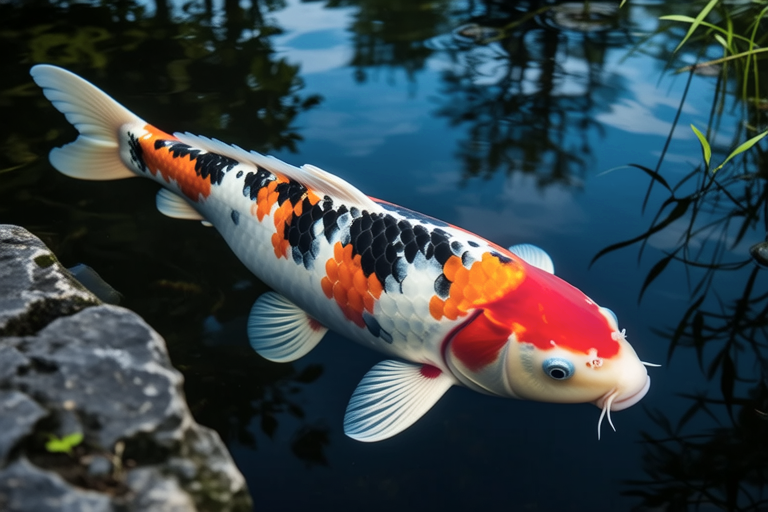
The Ultimate Guide to Feeding and Keeping Your Koi Healthy
Koi fish are beloved for their vibrant colors, graceful movements, and serene presence in ponds and water gardens. However, maintaining these beautiful creatures requires more than just setting up a pond; it demands a thorough understanding of their dietary needs and the environmental factors that influence their health. This guide will walk you through the essentials of feeding your koi, maintaining water quality, recognizing signs of malnutrition or overfeeding, and addressing common health issues related to diet.
Optimal Feeding Schedules
Feeding koi fish correctly is crucial for their growth, health, and longevity. The frequency and amount of food depend on various factors such as the size of the fish, the temperature of the water, and the time of year. Generally, koi should be fed multiple times daily during warmer months when they are more active. A good rule of thumb is to feed them twice a day: once in the morning and again in the afternoon. Each feeding session should last about 5 minutes, ensuring that all fish have had enough time to eat without leaving excess food in the water.
During colder seasons, reduce the frequency of feedings. In temperatures below 50°F (10°C), stop feeding altogether because koi become less active and their metabolism slows down. Overfeeding in cold weather can lead to digestive problems and poor water quality.
Types of Food Suitable for Koi
There are several types of commercial koi food available on the market, each designed to meet specific nutritional requirements at different life stages. Pellets are the most common form of koi food, made from high-quality ingredients like wheat germ, soybean meal, fish meal, and vitamins. These pellets come in various sizes to accommodate different sized koi, ensuring that even smaller fish can access the nutrients they need.
In addition to regular pellets, consider offering supplementary foods like frozen brine shrimp, freeze-dried tubifex worms, and aquatic plants. These provide additional protein and fiber, promoting overall health and color enhancement. It’s important to introduce new foods gradually to avoid shocking the digestive system of your koi.
Dietary Needs Based on Seasons
Koi have distinct dietary needs throughout the year due to changes in temperature and activity levels. During spring, when water temperatures rise above 50°F (10°C), increase the amount and frequency of feedings to support rapid growth. Use high-protein foods to encourage muscle development and vibrant coloring.
In summer, maintain a balanced diet with a focus on high-quality protein sources. This helps sustain energy levels while preventing obesity caused by excessive feeding. Autumn sees a gradual reduction in feeding as water temperatures cool down. Transition to lower-protein diets to prepare for winter hibernation.
Winter is a period of reduced activity for koi. Stop feeding completely when temperatures drop below 50°F (10°C) to prevent digestive issues. Once spring arrives and water temperatures stabilize, resume feeding slowly to allow digestive systems to adjust.
Water Quality Maintenance for Digestion
Good water quality is vital for proper digestion in koi. Poor water conditions can lead to stress, disease, and poor nutrient absorption. Regularly test your pond’s pH level, ammonia, nitrite, and nitrate concentrations using reliable test kits. Aim for a pH between 7.2 and 8.5, with minimal ammonia and nitrite levels, and keep nitrates under 40 ppm.
Install appropriate filtration systems to remove waste products and maintain oxygen levels. Oxygen-starved environments can cause digestive distress and other health complications. Additionally, perform partial water changes every few weeks to dilute harmful substances and replenish beneficial minerals.
Signs of Malnutrition or Overfeeding
Recognizing signs of malnutrition or overfeeding early can prevent serious health issues. Underfed koi may exhibit dull colors, lethargy, and slow growth. Conversely, overfed koi might display bloated bellies, swim bladder disorders, and cloudy eyes. Excessive uneaten food left floating in the water indicates overfeeding and should be removed promptly.
To monitor feeding habits, observe your koi closely after each meal. If they finish their food within 5 minutes and show interest in more, continue feeding. However, if they leave food untouched or appear sluggish, reduce portion sizes accordingly.
Common Health Issues Related to Diet
Improper feeding practices can lead to several health problems in koi. One common issue is constipation, characterized by a swollen belly and difficulty swimming upright. To alleviate this condition, feed fiber-rich foods like spinach or peas, which aid in digestion. Another concern is fatty liver disease, often caused by excessive consumption of high-fat diets. Prevent this by providing a balanced diet with controlled amounts of fat.
Additionally, improper nutrition can weaken the immune system, making koi susceptible to bacterial infections and parasites. Ensuring a well-rounded diet rich in vitamins and minerals strengthens their defenses against illnesses.
Tips for Creating a Healthy Living Environment
Creating an ideal habitat for your koi involves more than just providing adequate food. Start by selecting a suitable location for your pond, away from direct sunlight to minimize algae growth. Incorporate plenty of hiding spots and open areas to mimic natural habitats, reducing stress among fish.
Regular maintenance is key to keeping your pond clean and healthy. Clean filters regularly, prune aquatic plants, and remove debris that accumulates at the bottom of the pond. Introduce beneficial bacteria into the water to break down waste materials efficiently.
Lastly, ensure there is sufficient aeration in your pond. Proper oxygen circulation promotes healthy respiration and digestion in koi, enhancing their overall well-being.
Conclusion
Proper feeding and care are fundamental aspects of maintaining healthy koi. By following the guidelines outlined in this guide, you can ensure that your koi thrive in their aquatic environment. Remember to adapt feeding schedules according to seasonal changes, choose appropriate foods, maintain excellent water quality, and create a nurturing habitat. With consistent effort and attention, your koi will remain vibrant and robust for many years to come.
