From the Tundra to Your Living Room: The Complete Siberian Husky Guide
Welcome to your ultimate guide to the majestic Siberian Husky. This comprehensive resource will take you from the icy expanses of the Siberian tundra to the comfort of your living room, providing all the information you need to understand, care for, and enjoy this remarkable breed.
The Origin and History of the Siberian Husky
The Siberian Husky has roots deeply embedded in the harsh, unforgiving terrain of the Siberian tundra. Originally bred by the Chukchi people, these dogs were used primarily as sled dogs. Their endurance, strength, and resilience made them invaluable in transporting goods and people across vast distances. The Chukchi people valued these dogs not only for their work but also for their companionship, leading to a close bond between humans and canines.
It wasn’t until the early 20th century that Siberian Huskies were introduced to North America, where they quickly gained fame for their performance in sled racing. Their agility and speed were highlighted during the serum run to Nome in 1925, when a relay of mushers and their dogs delivered life-saving diphtheria antitoxin to the isolated Alaskan town. This event cemented the Siberian Husky’s place in history and heart.
Physical Characteristics
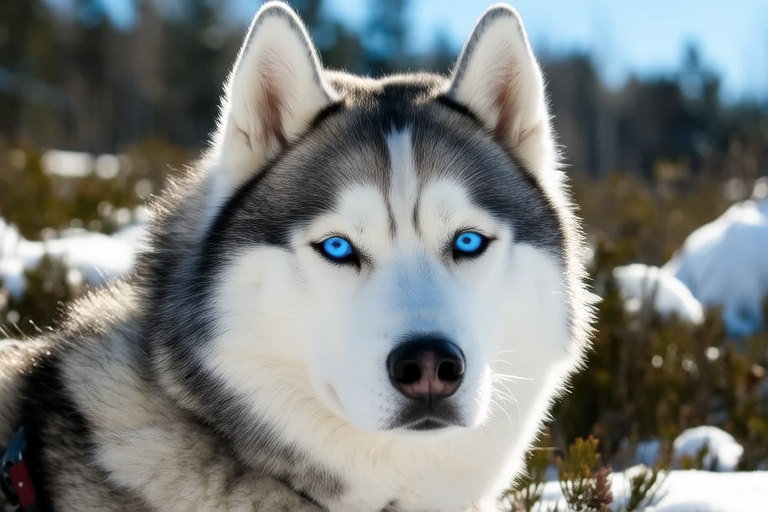
Siberian Huskies are medium-sized dogs with a robust build. They typically weigh between 35 to 60 pounds and stand about 20 to 23.5 inches tall at the shoulder. Their most striking feature is their thick double coat, which protects them from the extreme cold. This coat comes in various colors, including black, gray, copper, red, and white, often with striking masks or caps.
Another defining characteristic is their almond-shaped eyes, which can be blue, brown, or even one of each color, adding to their unique appearance. Their ears are triangular and stand erect, giving them an alert look. Their tails are bushy and curl over their backs, providing additional warmth.
Temperament and Exercise Needs
Siberian Huskies are known for their friendly and outgoing personalities. They are sociable, loving, and playful, making them great companions. However, they can be independent and may test boundaries, so consistent training is essential. Despite their friendly nature, they can be aloof with strangers, making them excellent watchdogs without being overly aggressive.
These dogs have high energy levels, stemming from their heritage as working sled dogs. They require regular, vigorous exercise to stay healthy and happy. Daily walks, runs, and playtime in a secure area are necessary. Without sufficient exercise, they may become bored and destructive. Agility training, flyball, and lure coursing are activities that can channel their energy positively.
Dietary Requirements
Proper nutrition is crucial for maintaining a Siberian Husky’s health and vitality. High-quality dog food that meets their nutritional needs should be the foundation of their diet. Look for foods rich in protein and fat, as these are vital for muscle development and energy. Avoid overfeeding, as obesity can lead to health issues like joint problems and diabetes.
Consult with a veterinarian to determine the right amount of food based on your dog’s age, weight, and activity level. Fresh water should always be available, especially if they engage in rigorous outdoor activities.
Grooming
The Siberian Husky’s thick coat requires regular grooming to keep it in top condition. Brushing several times a week helps remove loose hair and prevents matting. During shedding season, which occurs twice a year, daily brushing may be necessary. Bathing should be done sparingly, as frequent washing can strip the coat of its natural oils.
In addition to coat care, pay attention to their nails, teeth, and ears. Regular nail trimming ensures they don’t grow too long, causing discomfort or difficulty walking. Teeth should be brushed regularly to prevent tartar buildup and gum disease. Ears should be checked and cleaned periodically to avoid infections.
Training Tips
Training a Siberian Husky requires patience, consistency, and positive reinforcement. These dogs are intelligent and can be stubborn, so training sessions should be short and engaging. Use treats and praise to reward good behavior, and avoid harsh punishments.
Early socialization is important to ensure your Husky becomes well-adjusted and confident. Expose them to different environments, people, and other animals from a young age. Basic obedience training is essential for their safety and your peace of mind. Teaching commands such as ‘sit,’ ‘stay,’ ‘come,’ and ‘leave it’ can help manage their behavior effectively.
Health Considerations
Like any breed, Siberian Huskies are prone to certain health conditions. Common issues include hip dysplasia, eye problems like progressive retinal atrophy, and hypothyroidism. Regular veterinary check-ups are crucial for early detection and management of these conditions.
Vaccinations and preventive care, such as flea and tick treatments, should be kept up-to-date. Spaying or neutering your dog can also reduce the risk of certain cancers and behavioral issues.
Advice for Potential Owners
Owning a Siberian Husky is a rewarding experience but requires commitment. Ensure you have the time, space, and resources to provide for their needs. Research thoroughly before bringing a Husky into your home. Consider adopting from shelters or rescue organizations if possible.
Be prepared for the challenges of owning a high-energy, independent dog. Siberian Huskies thrive in environments where they can run and play freely. If you live in an apartment, make sure you have access to large, safe areas for them to exercise.
Behavior with Children and Other Pets
Siberian Huskies are generally good with children, provided they are raised together and properly supervised. Their playful nature makes them ideal companions for active kids. However, their size and energy can be overwhelming for younger children, so teaching both to respect each other’s boundaries is important.
They usually get along well with other pets, especially if introduced gradually. Their pack mentality means they prefer to be part of a group rather than isolated. However, they may chase smaller animals due to their hunting instincts, so supervision is key.
Creating a Suitable Living Environment
To create a suitable living environment for a Siberian Husky, start by ensuring they have ample space to move around. A fenced yard is ideal for allowing them to run and play. Inside the home, provide a comfortable, cozy bed in a quiet corner.
Temperature control is also important. While they tolerate cold weather well, they can struggle in hot climates. Air conditioning or fans can help keep them cool during summer months. Additionally, consider using cooling mats or wet towels to lower their body temperature.
Lastly, mental stimulation is crucial. Provide toys that challenge their minds, such as puzzle feeders or interactive games. Rotate toys to keep them interesting and prevent boredom.
Conclusion
Bringing a Siberian Husky into your life means embracing a partner in adventure, a loyal companion, and a piece of history. With proper care, training, and understanding, you can enjoy many years of happiness and fulfillment with your Siberian Husky. Whether you’re a seasoned dog owner or new to the world of pet care, this guide provides the tools needed to thrive alongside one of the world’s most iconic breeds.
