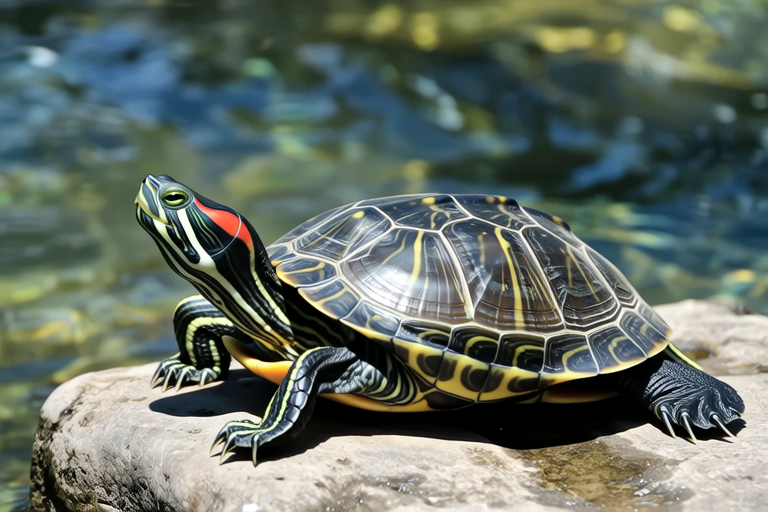
7 Common Mistakes Pet Owners Make With Their Red-Eared Sliders
Red-eared sliders (Trachemys scripta elegans) are one of the most popular pet turtles in the world. Their striking appearance, coupled with their relatively easy care requirements, makes them an attractive choice for many reptile enthusiasts. However, despite their popularity, there are several common mistakes that pet owners make when caring for red-eared sliders. These mistakes can lead to serious health issues and even death if not addressed properly. In this article, we will explore seven common errors that pet owners often commit and provide solutions to ensure the health and longevity of these fascinating creatures.
1. Inadequate Tank Size
One of the most frequent mistakes made by red-eared slider owners is providing an insufficiently sized tank. Adult red-eared sliders require at least 40 gallons (151 liters) of water per turtle, and this volume increases significantly with the number of turtles or the size of the individual. A small tank can lead to stress, poor water quality, and stunted growth due to limited swimming space. Moreover, overcrowded conditions can exacerbate bacterial and fungal infections.
Solution: Invest in a larger tank that meets the minimum size requirements for your turtle’s age and expected adult size. Ensure that the tank is equipped with proper filtration systems to maintain clean water, which is crucial for their respiratory and digestive health.
2. Incorrect Temperature Settings
Maintaining the correct temperature range is vital for red-eared sliders, as it directly affects their metabolism, digestion, and overall well-being. Water temperatures should be kept between 75°F and 80°F (24°C to 27°C), while basking areas need to reach around 90°F (32°C). Insufficient heat can slow down their metabolic processes, leading to digestive problems and weakened immune systems. Conversely, excessively high temperatures can cause overheating and dehydration.
Solution: Install reliable heating devices such as submersible heaters for the water and ceramic heat emitters or specialized reptile lamps for the basking area. Regularly check the temperature with a thermometer to ensure consistency and avoid fluctuations that could harm your turtle.
3. Poor Diet Choices
Red-eared sliders have specific dietary needs that must be met to support their growth and overall health. A balanced diet consists primarily of commercially available turtle pellets supplemented with fresh vegetables like romaine lettuce, kale, and carrots. Protein sources such as earthworms, mealworms, and occasional feeder fish should also be included but in moderation to prevent obesity. Feeding them inappropriate foods like bread or processed human snacks can result in nutritional deficiencies or gastrointestinal blockages.
Solution: Offer a varied diet rich in essential nutrients while avoiding harmful treats. Consult with a veterinarian specializing in reptiles for personalized feeding recommendations based on your turtle’s age and health status.
4. Lack of UVB Lighting
UVB radiation plays a critical role in synthesizing vitamin D3, which aids calcium absorption necessary for strong shell development and bone maintenance. Without adequate exposure to UVB light, red-eared sliders may develop metabolic bone disease characterized by soft shells and deformities. Many beginners overlook this requirement, assuming that natural sunlight alone suffices, especially indoors where direct sun exposure isn’t feasible.
Solution: Provide full-spectrum UVB lighting specifically designed for reptiles over the basking area. Replace bulbs every six months according to manufacturer guidelines to ensure optimal performance. Additionally, consider outdoor enclosures during warmer months to allow natural sunlight exposure under supervision.
5. Handling Too Frequently
While it might seem tempting to interact with your pet regularly, excessive handling can cause undue stress on red-eared sliders. Turtles are sensitive animals who rely heavily on their environment for safety and comfort. Overstimulation from constant physical contact can weaken their immune system, making them more susceptible to illnesses. Furthermore, improper handling techniques can lead to injuries.
Solution: Limit interactions to brief periods once or twice a week unless medically necessary. Always handle your turtle gently, supporting its body weight fully without lifting it off the ground abruptly. Wash hands before and after handling to minimize the risk of transferring pathogens.
6. Housing With Incompatible Species
Combining different types of aquatic turtles within the same enclosure poses significant risks. Each species has unique environmental preferences regarding water parameters, temperature ranges, and social behaviors. Mixing incompatible species can result in aggressive behavior, territorial disputes, and competition for resources. This situation often leads to injury or starvation among smaller individuals.
Solution: Keep only compatible species together, preferably those belonging to the same genus or species. If housing multiple red-eared sliders, ensure ample space and hiding spots to reduce potential conflicts.
7. Improper Hibernation Preparation
In their natural habitats, red-eared sliders undergo brumation—a period similar to hibernation where they become less active due to colder temperatures. However, captive environments do not always mimic natural cycles accurately. Some owners attempt to induce artificial brumation without proper preparation, risking severe complications including hypothermia and malnutrition.
Solution: Do not intentionally trigger brumation unless advised by a professional vet familiar with your turtle’s health condition. If you reside in regions experiencing seasonal changes, gradually adjust the tank’s temperature rather than sudden drops. Monitor your turtle closely throughout this process and seek veterinary assistance immediately if any abnormalities arise.
Conclusion
Owning a red-eared slider can be incredibly rewarding when done correctly. By understanding and addressing these common pitfalls, you can create an enriching home environment tailored to meet all aspects of their biological needs. Remember, responsible pet ownership involves ongoing education and adaptation to ensure the best possible life for your beloved reptilian companion.
