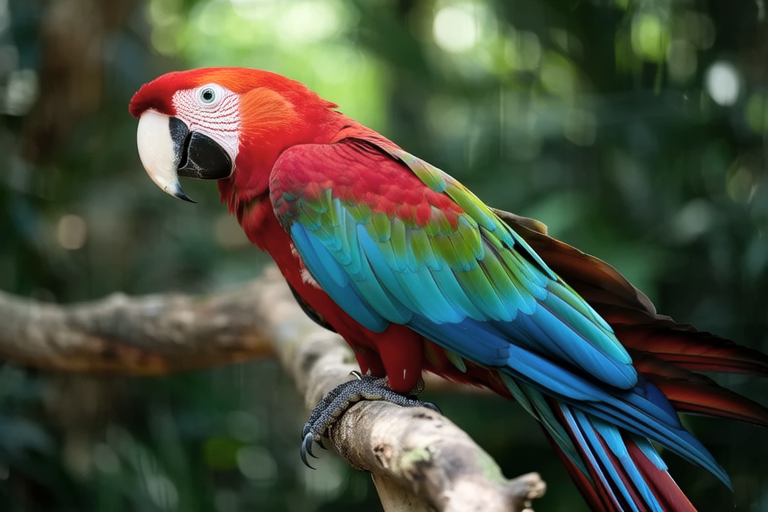
Japalura Species: A Unique Exotic Bird
The Japalura species, also known as the Crested Lizard or Japalura Dragon, is a fascinating and exotic bird that has recently gained significant attention on social media platforms. These reptiles are native to Southeast Asia and are known for their striking appearance and intriguing behaviors. This article will delve into the unique physical characteristics and behaviors of the Japalura species, explore why it has become popular on social media, discuss the care requirements for these creatures, and highlight conservation efforts related to the species.
Physical Characteristics of Japaluras
Japaluras are small lizards, typically measuring between 3 to 6 inches in length, depending on the species. They have a slender body, long tail, and large, round eyes that give them a distinct appearance. One of the most notable features of Japaluras is their crest, which runs along the back of their head and neck, giving them a dragon-like appearance. The coloration of Japaluras can vary widely, ranging from bright greens and blues to more subdued earth tones. Some species even have intricate patterns or markings that make each individual unique.
In addition to their distinctive physical traits, Japaluras possess several other unique characteristics. For example, they have strong limbs and sharp claws, which allow them to climb trees and rocks with ease. Their tails are prehensile, meaning they can wrap around branches or other objects to help them maintain balance. Japaluras also have excellent vision and hearing, which helps them locate prey and avoid predators in their natural habitat.
Behaviors of Japaluras
Japaluras are primarily insectivorous, feeding on a variety of insects such as crickets, mealworms, and waxworms. However, some species may also consume small amounts of fruit or nectar. In captivity, Japaluras can be fed a diet of commercially available insectivore pellets supplemented with live insects. They are diurnal, meaning they are most active during the day, and spend much of their time basking in the sun or climbing around their enclosure.
Japaluras are also known for their territorial behavior. Males will often establish and defend a territory, especially during breeding season. They may display aggressive behaviors towards other males or intruders, such as puffing up their crests, bobbing their heads, or engaging in physical altercations. Females, on the other hand, tend to be more docile and may form social bonds with other females.
Popularity on Social Media
Japaluras have become increasingly popular on social media platforms such as Instagram, TikTok, and YouTube. Their unique appearance and intriguing behaviors have captured the attention of many people who are interested in exotic pets. One of the main reasons for their growing popularity is the availability of high-quality videos and images that showcase the beauty and charm of these reptiles.
One of the most popular examples of viral content featuring Japaluras is a video of a Japalura basking in the sunlight while displaying its colorful crest. The video quickly went viral on TikTok, receiving millions of views and likes. Another popular trend involves owners filming their Japaluras interacting with various objects, such as toys or other animals, to showcase their playful and curious nature. These videos have helped to raise awareness about the species and encourage others to consider them as potential pets.
Moreover, social media influencers and celebrities have played a significant role in promoting Japaluras. Many influencers have shared photos and videos of their own Japaluras, providing followers with tips on how to care for them and highlighting the joys of owning one of these unique reptiles. Celebrities such as Keanu Reeves and Emma Watson have also been spotted with Japaluras, further increasing their popularity.
Care Requirements for Japaluras
If you’re considering adopting a Japalura as a pet, it’s important to understand the care requirements necessary to ensure their health and well-being. Proper housing is essential, as Japaluras need an enclosure that provides ample space for climbing and basking. A minimum enclosure size of 24 inches long, 18 inches wide, and 18 inches tall is recommended for a single Japalura. The enclosure should include branches, rocks, and other climbing structures to mimic their natural habitat.
Temperature and humidity levels must also be carefully controlled. Japaluras require a temperature gradient within their enclosure, with a warm basking spot of around 95°F and cooler areas ranging from 75°F to 85°F. Humidity levels should be maintained between 50% and 70%. Providing UVB lighting is crucial for calcium metabolism and overall health. A UVB light source should be provided for 10 to 12 hours per day.
Dietary needs should also be considered when caring for a Japalura. As mentioned earlier, Japaluras are primarily insectivorous, so a diet consisting of a variety of live insects is essential. It’s important to gut-load the insects with nutritious food before offering them to your Japalura. Additionally, occasional supplementation with calcium and vitamin D3 may be necessary, especially if the Japalura is housed indoors.
Lastly, regular handling and socialization are important for maintaining a healthy relationship with your Japalura. While Japaluras may not be as affectionate as some other pets, regular interaction can help them feel more comfortable around humans. However, it’s important to handle them gently and avoid stressing them out, as excessive handling can lead to stress-related illnesses.
Conservation Efforts
Despite their growing popularity as pets, Japaluras face several threats in the wild. Habitat destruction, climate change, and illegal wildlife trade are among the primary concerns for the survival of this species. Conservation efforts are underway to protect Japaluras and their habitats. Organizations such as the International Union for Conservation of Nature (IUCN) and the World Wildlife Fund (WWF) are working to raise awareness about the importance of preserving biodiversity and protecting endangered species.
In addition to these global efforts, local conservation initiatives are also being implemented in Southeast Asia, where Japaluras are native. These initiatives focus on protecting critical habitats, regulating the wildlife trade, and educating communities about the importance of preserving these unique reptiles. By supporting these efforts, we can help ensure the survival of Japaluras for future generations.
The Impact of Social Media
The rise of social media has had a significant impact on raising awareness about lesser-known exotic birds like the Japalura. Platforms such as Instagram, TikTok, and YouTube provide a space for enthusiasts to share their experiences and knowledge about these creatures, helping to educate the public and promote responsible ownership. Viral content has played a crucial role in introducing Japaluras to a wider audience, sparking interest and encouraging people to learn more about these unique reptiles.
Moreover, social media has facilitated the creation of online communities dedicated to Japaluras and other exotic pets. These communities serve as valuable resources for potential and current owners, providing support, advice, and information on best practices for caring for these animals. By fostering a sense of community and shared responsibility, these groups help to promote ethical ownership and ensure that Japaluras are kept in appropriate environments.
In conclusion, the Japalura species is a fascinating and unique reptile that has captured the attention of many people through its striking appearance and intriguing behaviors. With proper care and attention, Japaluras can make wonderful pets for those willing to invest the time and effort required to meet their needs. By supporting conservation efforts and promoting responsible ownership, we can help ensure the survival of these remarkable creatures for future generations.
