How Parrot Fish Are Saving Our Coral Reefs: An Unexpected Ally
In the vast and vibrant world of marine life, few creatures are as colorful and captivating as parrot fish. These vividly hued fish are not just beautiful to look at; they play a crucial role in maintaining the health of coral reefs, which are some of the most biodiverse ecosystems on our planet. As we face unprecedented challenges to these delicate environments, understanding the importance of parrot fish becomes ever more critical. This article explores how these fascinating fish contribute to coral reef health, the threats they face, and the conservation efforts underway to protect them.
The Role of Parrot Fish in Marine Ecosystems
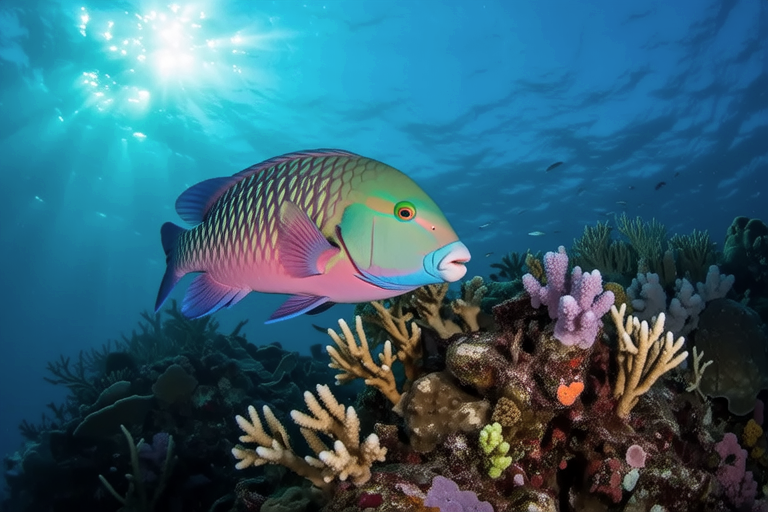
Parrot fish, named for their beak-like mouths and bright, often iridescent scales, belong to the family Scaridae. Found in tropical and subtropical waters worldwide, they are integral to marine ecosystems. Their diet primarily consists of algae that grow on coral reefs. By grazing on these algae, parrot fish prevent algal overgrowth, which can smother and kill corals. They also aid in the recycling of nutrients within the reef ecosystem by excreting sand after digesting coral skeletons and algae. This process, known as biogenic sediment production, helps maintain the structural integrity of the reef and provides substrate for new coral growth.
Parrot Fish and Coral Reef Health
Coral reefs are among the most diverse ecosystems on Earth, providing habitats for millions of species. However, they are under threat from numerous factors, including climate change, pollution, and overfishing. Algal overgrowth is one of the primary threats to coral reef health. When corals are overwhelmed by algae, they struggle to survive, leading to the degradation of entire reef systems. Parrot fish act as natural cleaners, keeping algae in check and allowing corals to thrive. Without them, the balance between algae and corals could tip, causing widespread damage to these vital ecosystems.
Threats to Coral Reefs and Parrot Fish Populations
Global coral reefs are facing significant challenges due to rising sea temperatures, ocean acidification, and increased pollution. These factors contribute to coral bleaching, where corals expel the symbiotic algae living in their tissues, turning white and often dying. Overfishing further exacerbates this issue by reducing the number of herbivorous fish like parrot fish. In many regions, parrot fish are targeted for their meat and for their vibrant colors in the aquarium trade. This depletion not only affects the fish themselves but also impacts the health of coral reefs.
Successful Conservation Efforts Involving Parrot Fish
Recognizing the vital role of parrot fish in maintaining coral reef health, several conservation efforts have focused on protecting these fish. One such initiative is the establishment of marine protected areas (MPAs) where fishing is restricted or prohibited. In the Caribbean, MPAs have shown promising results in increasing parrot fish populations and improving reef health. For example, the Bonaire National Marine Park has implemented strict regulations on fishing and diving practices, resulting in healthier reefs and a thriving parrot fish population.
Another approach involves community-based management programs that engage local communities in reef conservation. In the Philippines, local fishermen have been trained to monitor and manage their own reefs, ensuring sustainable fishing practices. These programs have helped reduce overfishing and promote the recovery of parrot fish populations. Additionally, education campaigns aimed at raising awareness about the importance of parrot fish and coral reefs have been effective in changing attitudes and behaviors.
A Call to Action
While there have been successes in protecting parrot fish and coral reefs, much work remains to be done. Climate change continues to pose a significant threat to these ecosystems, and addressing this global challenge requires concerted effort from all sectors of society. Individuals can make a difference by supporting marine conservation initiatives, advocating for policies that protect marine biodiversity, and making sustainable choices in their daily lives.
For those passionate about marine conservation, consider volunteering with organizations dedicated to protecting coral reefs and the species that depend on them. Educate yourself and others about the importance of parrot fish and their role in maintaining healthy coral reefs. Support sustainable seafood practices and avoid purchasing products made from threatened species. Together, we can help ensure that these vibrant ecosystems continue to thrive for generations to come.
By recognizing the invaluable contribution of parrot fish to coral reef health, we can better appreciate the intricate web of life beneath the waves. Let us be inspired by these unsung heroes of the sea and take action to safeguard their future and the future of our planet’s most precious underwater treasures.
