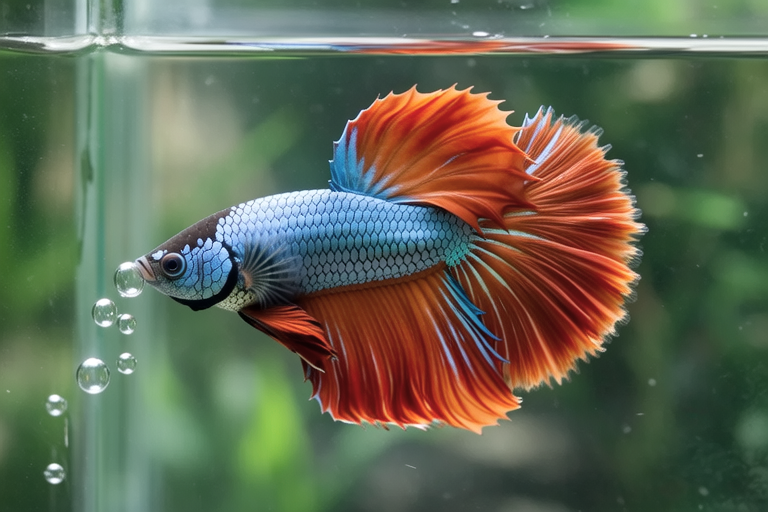
Bet You Didn’t Know These Fun and Fascinating Betta Behaviors
When it comes to popular aquarium pets, bettas (Betta splendens) stand out for their vibrant colors and relatively low maintenance needs. Often called Siamese fighting fish, they have captivated the hearts of pet enthusiasts for decades. Their striking appearance, which includes flowing fins and dazzling hues, makes them a favorite among both novice and experienced aquarists. However, beyond their aesthetic appeal, bettas exhibit a range of fascinating behaviors that are both entertaining and educational. This article delves into some lesser-known aspects of betta life, offering insights into their unique habits, intelligence, and environmental interactions.
A Bubble-Nesting Marvel
One of the most remarkable behaviors exhibited by male bettas is bubble-nesting. This intricate process involves the male creating a floating mass of bubbles at the water’s surface, which he carefully guards. The nest serves as a safe haven for the eggs once the female has laid them. To create this structure, the male uses his mouth to gather air bubbles, which he then secures with saliva. This behavior showcases the betta’s nurturing side, as well as its ability to manipulate its environment to ensure the survival of its offspring.
Territorial Displays: A Dance of Dominance
Bettas are known for their aggressive tendencies, especially towards other males of their species. This territorial behavior is often displayed through a series of fin flaring, darting movements, and chasing. These displays are not just about aggression; they also serve as a means of communication. When two bettas encounter each other, they assess one another’s size and strength, with the larger or more dominant fish typically asserting control over the territory. This ritualistic behavior can be observed even in solitary bettas when they see their reflection in the glass, mistaking it for another male.
Communication: More Than Just Fins
Bettas communicate through various means, including visual signals and chemical cues. Fin displays play a significant role in this communication, where the size and coloration of the fins can indicate dominance or readiness to mate. Chemical cues, on the other hand, are used for marking territories and attracting mates. Male bettas release pheromones that signal their presence to potential mates and competitors alike. Understanding these communication methods can provide valuable insights into the social dynamics within a betta’s world.
The Intelligent Betta: Solitary and Curious
Beyond their physical attributes and behaviors, bettas are surprisingly intelligent creatures. They demonstrate problem-solving abilities and have been known to learn tricks, such as swimming through hoops or retrieving objects. Their intelligence is particularly evident in their preference for solitude. Unlike many social fish, bettas thrive in environments where they can establish their own space without constant interaction with other fish. This solitary nature can sometimes lead to stress when placed in tanks with incompatible tankmates.
Environmental Sensitivity: Reacting to Changes
Bettas are highly sensitive to their surroundings, reacting to even subtle changes in their environment. They can detect variations in water temperature, pH levels, and light conditions. Such sensitivity is crucial for their survival, allowing them to adjust their behavior to optimize their chances of thriving. For instance, bettas may become more active or less so depending on the time of day, aligning their activity patterns with natural light cycles. This adaptability underscores the importance of maintaining stable conditions in their aquariums.
Caring for Your Betta: Enhancing Natural Behaviors
To ensure your betta thrives and exhibits its full range of behaviors, there are several key practices to follow:
- Proper Housing: Provide a spacious tank with plenty of hiding spots and plants to mimic their natural habitat. Avoid overcrowding the tank with too many decorations, as bettas need room to swim freely.
- Water Quality: Maintain clean water by performing regular water changes and monitoring pH and temperature levels. Bettas prefer slightly acidic water with temperatures between 76°F and 82°F.
- Diet: Feed your betta a balanced diet consisting of high-quality flakes, pellets, and occasional live or frozen foods. Overfeeding can lead to health issues, so aim for small portions twice daily.
- Interaction: While bettas enjoy solitude, they can also benefit from gentle interaction with their owners. Spend a few minutes each day observing your betta, talking to it, or gently tapping on the tank to engage its curiosity.
In conclusion, bettas are more than just colorful fish; they are complex creatures with a rich array of behaviors that make them fascinating companions. By understanding and respecting these behaviors, you can provide the best possible care for your betta, ensuring it lives a healthy and fulfilling life. Whether you’re a first-time aquarist or a seasoned enthusiast, there’s always more to discover about the captivating world of bettas.
