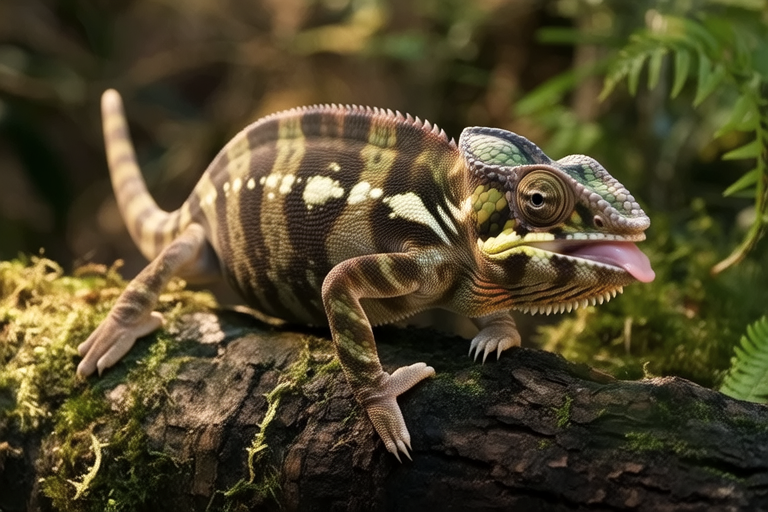
The Ultimate Guide to Feeding and Keeping Your Chameleon Healthy
Introduction
Welcome to the world of chameleons! These fascinating creatures have captivated humans with their vibrant colors and unique behaviors. However, owning a chameleon comes with significant responsibilities. This guide will provide you with all the information you need to ensure your chameleon lives a long, healthy life.
Essential Nutrients for Chameleons
Chameleons require a balanced diet rich in proteins, vitamins, and minerals. Their primary food source should be insects, but they also benefit from certain plant matter. Calcium and vitamin D3 are particularly crucial for bone health, while vitamins A, B, C, and E support overall vitality.
Appropriate Feeding Schedules
Feed your chameleon daily or every other day, depending on its age and size. Younger chameleons may need more frequent meals than adults. Always remove uneaten food after feeding to prevent spoilage.
Types of Food: Insects and Plants
Insects: Crickets, dubia roaches, and mealworms are excellent choices. Ensure that feeder insects are gut-loaded with nutritious vegetables before offering them to your chameleon. Dusting insects with calcium and vitamin supplements enhances their nutritional value.
Plants: Although not a primary food source, certain plants can supplement a chameleon’s diet. Safe options include mustard greens, dandelion leaves, and hibiscus flowers. Introduce new plants gradually to monitor for any adverse reactions.
Hydration Methods
Chameleons obtain most of their water through dew and rain in their natural habitats. Mimic this environment by misting your chameleon’s enclosure several times daily. Provide a shallow dish of clean water for drinking, but many chameleons prefer to lap water droplets from surfaces.
Habitat Setup
Create a spacious, well-ventilated enclosure with plenty of vertical space. Use non-toxic materials like cork bark or vines for climbing. Include live or artificial plants for hiding and resting spots. Avoid overcrowding the enclosure to allow for proper ventilation.
Temperature and Lighting Requirements
Maintain daytime temperatures between 75°F and 90°F (24°C – 32°C) and nighttime temperatures between 65°F and 75°F (18°C – 24°C). Install UVB lighting to facilitate vitamin D3 synthesis and calcium absorption. Position the light so it covers at least half of the enclosure, ensuring adequate exposure.
Common Health Issues
Metabolic bone disease (MBD) is a serious condition caused by calcium deficiency. Signs include lethargy, tremors, and softening bones. Respiratory infections may occur if the enclosure is too humid or cold. Regular monitoring and prompt veterinary care are essential for early detection and treatment.
Preventive Care Tips
Regularly clean the enclosure to prevent the buildup of harmful bacteria. Monitor your chameleon’s behavior and appearance for signs of illness. Schedule routine veterinary check-ups and vaccinations as recommended by your veterinarian.
Mimicking Natural Environments for Optimal Health
Creating an environment that closely resembles a chameleon’s natural habitat is key to its well-being. Provide ample opportunities for climbing and basking. Incorporate elements such as branches, rocks, and foliage to mimic the complexity of their native environments.
Actionable Advice
- Use a digital thermometer and hygrometer to monitor temperature and humidity levels.
- Rotate feeder insects to provide a varied diet.
- Keep a record of your chameleon’s feeding schedule and any observed changes in behavior.
Conclusion
Owning a chameleon is a rewarding experience that requires commitment and knowledge. By following the guidelines provided in this ultimate guide, you can ensure your chameleon thrives in a safe, stimulating environment. Remember, the goal is to create an environment that mimics their natural habitat as closely as possible. With proper care, your chameleon can lead a long, healthy, and happy life.
