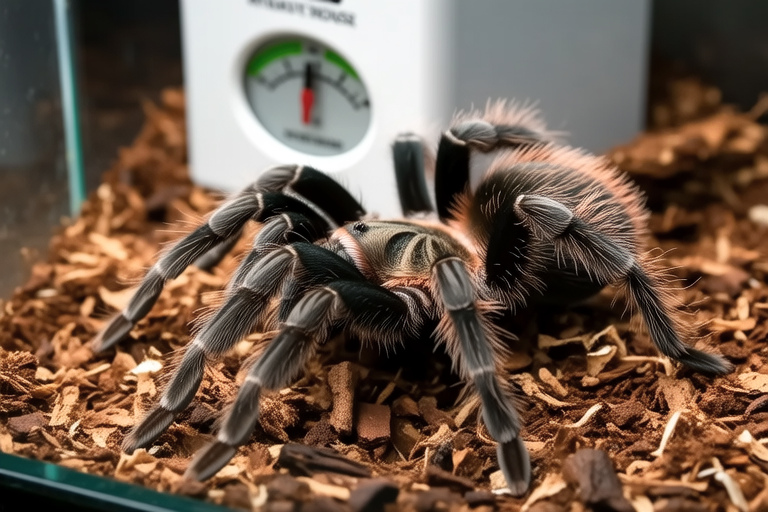
The Ultimate Guide to Keeping Your Tarantula Happy and Healthy
Introduction
Welcome to the ultimate guide to keeping your tarantula happy and healthy! Whether you’re a first-time owner or have years of experience, this comprehensive guide will provide you with all the essential information you need to ensure your pet tarantula thrives. From setting up the perfect habitat to understanding their dietary needs and recognizing signs of distress, this guide covers it all.
Essential Tarantula Care
Temperature and Humidity
Tarantulas come from diverse environments, so it’s crucial to research the specific temperature and humidity requirements of your species. Most tarantulas prefer temperatures between 75°F and 85°F (24°C to 29°C) and humidity levels ranging from 60% to 80%. Use a thermometer and hygrometer to monitor these conditions regularly.
Cleaning the Habitat
Regular cleaning is vital for maintaining a healthy environment. Spot clean daily to remove uneaten food and waste, and perform a thorough cleaning every two weeks. This involves removing the substrate, disinfecting the enclosure, and replacing the substrate. Always ensure the enclosure is completely dry before reintroducing your tarantula.
Handling Your Tarantula
While tarantulas are generally docile, they can be sensitive to handling. Always support the entire body when gently moving them. Avoid grabbing or squeezing, as this can cause stress or injury. For safety, handle your tarantula only when necessary and under controlled conditions.
Suitable Habitats
Housing Requirements
A properly sized enclosure is essential. A general rule is to provide at least three times the leg span of the tarantula in height and diameter. Use a glass or plastic tank with a secure lid to prevent escapes. Ensure there are ventilation holes for proper air circulation.
Substrate and Decorations
Choose a substrate that mimics the natural environment of your tarantula. Common choices include coconut fiber, peat moss, and vermiculite. Provide hiding spots such as cork bark, hollow logs, or artificial caves. These items not only make the habitat more interesting but also provide necessary security for your pet.
Appropriate Diet
Feeding Frequency
Feed adult tarantulas once a week, while juveniles may require more frequent meals. Offer prey items like crickets, mealworms, or small mice. Ensure the prey is no larger than half the size of the tarantula’s body to prevent choking.
Variety in Diet
Providing a varied diet ensures your tarantula receives all necessary nutrients. Rotate between different insects and occasionally offer small vertebrates like pinky mice. Gut loading the prey with nutritious foods before feeding can further enhance the nutritional value.
Common Health Issues
Mites and Parasites
Mites and parasites can be introduced through new prey or contaminated substrates. Symptoms include lethargy, weight loss, and visible mites on the tarantula’s body. Treatment may involve isolating the tarantula, cleaning the enclosure thoroughly, and using antiparasitic medications recommended by a veterinarian.
Leg Loss and Regrowth
Leg loss can occur due to aggression from other tarantulas, improper handling, or environmental stress. While tarantulas can regrow lost legs, this process takes time and energy. Preventing leg loss through proper care and handling is key.
Signs of Distress
Behavioral Changes
Monitor your tarantula’s behavior for any unusual changes. Signs of distress include reduced activity, refusal to eat, or hiding excessively. Any significant change in behavior warrants a closer look at the habitat conditions or a visit to a veterinarian specializing in exotic pets.
Physical Symptoms
Physical symptoms of distress include limpness, bloated abdomen, or visible injuries. If you notice any of these symptoms, isolate the tarantula and consult a professional immediately.
Tips for Handling
Preparation
Before handling, ensure your hands are clean and free of any residues that could harm your tarantula. Have a secure area ready where the tarantula can be safely placed after handling.
Techniques
Gently coax the tarantula out of its hiding spot using a soft brush or paper. Place your hand flat and slowly allow the tarantula to walk onto it. Always support the entire body and avoid sudden movements.
Frequency
Handle your tarantula sparingly to minimize stress. Occasional handling can help build trust, but over-handling can lead to stress-related health issues.
Conclusion
By following the guidelines outlined in this ultimate guide, you’ll be well-equipped to provide your tarantula with the best possible care. Remember, each tarantula is unique, so continuous learning and observation are key to ensuring their happiness and health. With dedication and attention to detail, your tarantula will thrive in its home, providing you with years of enjoyment and companionship.
