Heterometrus Spinifer Unveiled: Discover What Makes This Species Stand Out Among Scorpions
Scorpions are one of the most fascinating groups of arachnids, boasting over 2,000 known species worldwide. These creatures have adapted to an incredible variety of habitats, from deserts to rainforests, and their diversity is nothing short of astounding. With sizes ranging from just half an inch to over eight inches, scorpions have evolved an array of physical traits and behaviors that make each species unique.
The Unique Physical Characteristics of Heterometrus Spinifer
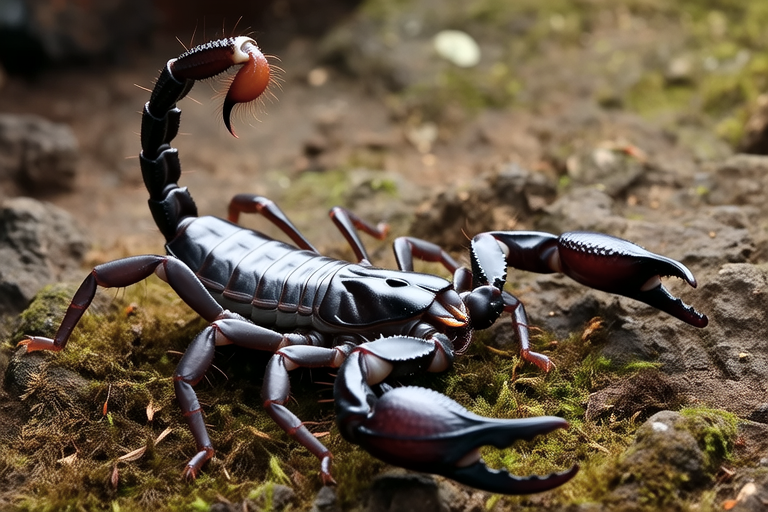
The Heterometrus spinifer, also known as the hairy forest scorpion, is a standout within the vast world of scorpions. It is characterized by its robust build, with an average length of around six inches, making it one of the larger scorpion species. Its body is covered in dense hairs, which give it its common name and provide additional sensory capabilities. These hairs, or setae, allow the scorpion to detect vibrations and movements in its environment, enhancing its ability to hunt and avoid predators.
The coloration of the Heterometrus spinifer is typically dark brown to black, camouflaging well against the forest floor. The tail, or metasoma, is particularly striking, featuring a series of prominent spines that extend along its length. These spines are not only visually impressive but also serve a functional purpose, helping the scorpion maintain balance and aiding in defense. The claws, or pedipalps, are strong and adapted for grasping prey securely.
Habitat Preferences and Adaptations
Native to Southeast Asia, specifically countries like Thailand, Malaysia, and Indonesia, the Heterometrus spinifer thrives in humid, tropical forests. It prefers dense undergrowth, where it can find shelter among leaf litter, tree roots, and crevices. The high humidity levels in these environments are crucial for the scorpion’s survival, as they prevent dehydration. Additionally, the dense vegetation provides ample cover, protecting the scorpion from both predators and harsh weather conditions.
One of the remarkable adaptations of the Heterometrus spinifer is its nocturnal lifestyle. By being active during the night, it avoids the intense heat of the day and competes less directly with diurnal predators. This behavior also aligns with its hunting strategy, as many of its prey species are also nocturnal.
Behavior, Diet, and Interactions with Other Species
The Heterometrus spinifer is a solitary predator, hunting primarily at night. Its diet consists mainly of insects, spiders, and other small invertebrates. The scorpion uses its powerful pedipalps to grasp and crush its prey, injecting venom through its stinger to immobilize it. The venom contains a cocktail of neurotoxins that paralyze the victim, allowing the scorpion to feed without competition.
Despite its formidable reputation, the Heterometrus spinifer faces threats from larger predators, such as birds, reptiles, and mammals. To defend itself, the scorpion employs several strategies. Firstly, its spiny tail acts as a deterrent, making it difficult for potential attackers to approach. Secondly, it can release a foul-smelling secretion from its metasoma, which may discourage predators. In extreme cases, the scorpion will use its stinger as a last resort, delivering a painful but rarely lethal sting to its attacker.
The Venom of Heterometrus Spinifer: Potency and Medical Implications
The venom of the Heterometrus spinifer contains a complex mixture of toxins that affect the nervous system of its prey. While the venom is potent enough to incapacitate small animals, it is generally considered mild compared to that of some desert scorpions. For humans, a sting from this species is typically painful but not life-threatening. However, like all scorpions, individuals with compromised immune systems or severe allergic reactions may experience more serious symptoms.
Medical research has shown promise in utilizing components of scorpion venom for various therapeutic applications. Some toxins found in scorpion venom have been used to develop treatments for neurological disorders, cancer, and pain management. Understanding the composition and effects of the Heterometrus spinifer’s venom could contribute to advancements in these fields.
Conservation Status and Threats
Currently, the Heterometrus spinifer is listed as a species of least concern by the International Union for Conservation of Nature (IUCN). However, its habitat is increasingly threatened by deforestation and urbanization, leading to a loss of suitable living spaces. As human activities encroach upon natural areas, the scorpion’s survival becomes more precarious.
Conservation efforts are essential to protect the Heterometrus spinifer and other species that share its habitat. Preserving the tropical forests where it lives not only benefits the scorpion but also supports the myriad other organisms that depend on these ecosystems. Understanding the ecological role of the Heterometrus spinifer is vital for maintaining biodiversity and ensuring the health of our planet’s ecosystems.
Why Understanding This Species is Important
The Heterometrus spinifer stands out not only for its unique physical characteristics and behavior but also for its importance in the broader context of biodiversity. By studying this species, scientists gain valuable insights into evolutionary processes, adaptation, and the intricate relationships between organisms in tropical environments. Moreover, the knowledge gained from researching the Heterometrus spinifer can inform conservation strategies and contribute to the development of new medical treatments.
In conclusion, the Heterometrus spinifer is a remarkable and resilient creature that plays a significant role in its ecosystem. Its distinct appearance, defensive mechanisms, and nocturnal habits make it a fascinating subject for study. As we continue to explore and understand this species, we not only enhance our appreciation for the natural world but also work towards preserving it for future generations.
