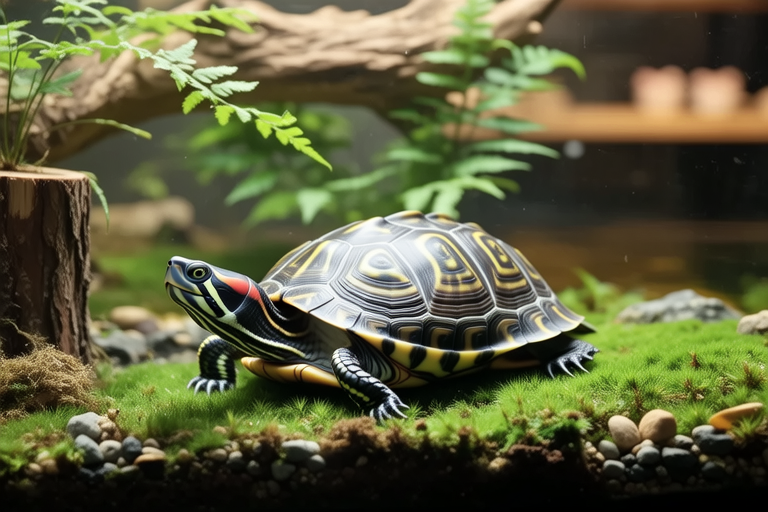
How to Create a Happy Home for Your Three-Striped Box Turtle
Welcome to the world of three-striped box turtle care! These fascinating creatures are native to parts of Asia and make wonderful pets when cared for properly. This comprehensive guide will walk you through everything you need to know about creating a happy and healthy home for your three-striped box turtle. From habitat setup to diet specifics, we’ve got you covered.
Habitat Setup
The first step in providing a great home for your three-striped box turtle is setting up its habitat. A spacious terrarium with adequate ventilation is crucial. The terrarium should mimic their natural environment as closely as possible. It should include a shallow water dish for soaking and drinking, a hide spot, and plenty of space for your turtle to explore.
Temperature and Humidity Requirements
Maintaining the right temperature and humidity levels is vital for your turtle’s health. The ambient temperature in the enclosure should range between 75°F and 85°F (24°C to 29°C). A basking spot should be provided, where the temperature can reach up to 90°F (32°C). Humidity levels should be kept at around 60-80%. Use a hygrometer and thermometer to monitor these conditions regularly.
Diet Specifics
Three-striped box turtles are omnivores, requiring a balanced diet of both plant matter and animal protein. As juveniles, they eat more protein, while adults consume more vegetation. Offer a variety of fruits, vegetables, and leafy greens. Protein sources can include insects, worms, and commercial reptile pellets. Always ensure that any food offered is clean and free from pesticides.
Lighting Needs
Proper lighting is essential for your turtle’s well-being. Full-spectrum UVB lighting is necessary for calcium absorption and overall health. The light should cover the entire enclosure and be left on for 10-12 hours per day. Replace the bulbs every six months to ensure they remain effective.
Safe Substrate Options
Selecting the right substrate is important for your turtle’s safety and comfort. Avoid substrates like sand or gravel, which can pose choking hazards. Instead, opt for reptile-safe mulch, coconut fiber, or paper towels. Ensure the substrate is easy to clean and doesn’t retain moisture, which could lead to bacterial growth.
Enclosure Size Recommendations
Your turtle needs enough room to move around comfortably. For a single adult, a minimum of 4 feet by 2 feet is recommended. Juveniles can start in smaller enclosures but should be moved to larger ones as they grow. Provide plenty of space for climbing and hiding.
Enrichment Activities
To keep your turtle mentally stimulated, provide enrichment activities. Include logs, rocks, and plants for climbing and hiding. Rotate toys and objects periodically to prevent boredom. Interactive feeding methods, like placing food in different areas of the enclosure, can also enhance mental stimulation.
Handling Tips
Handle your turtle gently and infrequently to minimize stress. Support their body fully, especially their shell, to avoid injury. Wash your hands before and after handling to maintain hygiene and prevent the spread of bacteria.
Health Monitoring
Closely observe your turtle for signs of illness. Regularly check for cuts, swelling, or discharge. Keep an eye on appetite and activity levels. If you notice any concerning symptoms, consult a veterinarian specializing in reptiles. Routine check-ups can help catch potential issues early.
Common Care Mistakes to Avoid
- Improper Diet: Feeding too much protein or an unbalanced diet can lead to health problems.
- Inadequate Lighting: Lack of UVB light can cause metabolic bone disease.
- Incorrect Temperature and Humidity: Fluctuations can stress your turtle and lead to respiratory infections.
- Poor Enclosure Hygiene: Dirty environments can harbor harmful bacteria and parasites.
- Overhandling: Frequent handling can stress your turtle and make it more prone to illnesses.
By following these guidelines, you can create a thriving environment for your three-striped box turtle. Remember, patience and dedication are key to ensuring your pet lives a long and healthy life. With proper care, your turtle will reward you with years of companionship and enjoyment.
