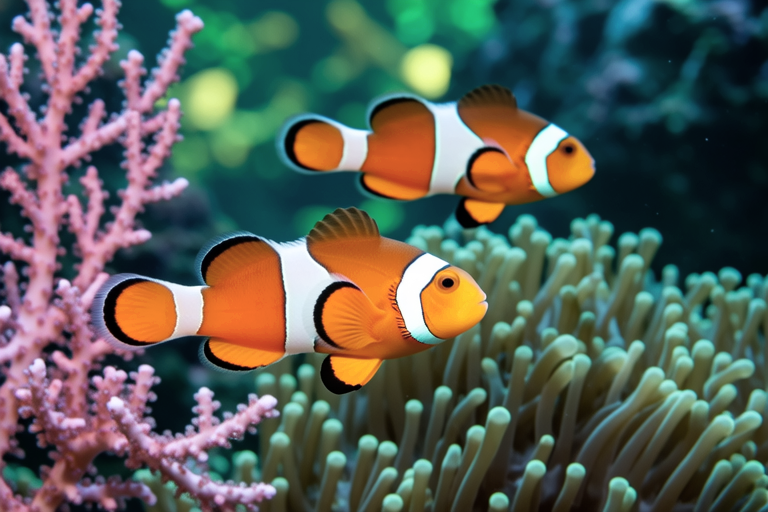
Colorful Companions: How to Make Your Clownfish Feel at Home
Welcome to the vibrant world of clownfish! These charismatic creatures have captured the hearts of many aquarium enthusiasts with their striking colors and playful personalities. In this comprehensive guide, we’ll walk you through everything you need to know to set up a thriving home for your clownfish, ensuring they feel right at home. From understanding their natural habitat to creating a balanced ecosystem, we’ll provide essential tips on aquarium setup, water conditions, diet specifics, tank mate compatibility, and regular care routines.
Understanding Clownfish Biology and Behavior
Clownfish, also known as anemonefish, belong to the family Pomacentridae. They are small, colorful fish that live in symbiosis with sea anemones in the wild. There are around 30 species of clownfish, each with its own unique coloration and patterns. The most famous clownfish is undoubtedly the orange-and-white-striped Ocellaris clownfish, popularized by the movie Finding Nemo.
In their natural habitat, clownfish exhibit fascinating behaviors. They are territorial and fiercely defend their anemone from potential threats. This behavior is crucial for their survival, as the anemone provides protection from predators while the clownfish helps to clean the anemone by eating parasites and dead tentacles. Additionally, clownfish can change their sex, a process called sequential hermaphroditism. Typically, the largest female in a group becomes dominant, followed by the largest male. If the dominant female dies, the male will transform into a female.
Setting Up the Ideal Aquarium Environment
Creating a suitable environment for your clownfish is crucial for their health and well-being. Start by choosing a tank size that meets their needs. A minimum of 20 gallons is recommended for a single clownfish, but if you plan to add more fish or other inhabitants, a larger tank is advisable. For instance, a 55-gallon tank would be ideal for two clownfish and a few other compatible species.
When setting up the aquarium, focus on replicating their natural habitat as closely as possible. Use a high-quality filter to maintain water quality and ensure adequate water flow. A protein skimmer is also beneficial for saltwater tanks, as it helps remove organic waste before it breaks down into harmful compounds.
Proper lighting is essential for the health of your clownfish and any live plants or corals in the tank. Choose a full-spectrum LED light that simulates natural sunlight. Aim for 8-10 hours of light per day, mimicking the natural day-night cycle. This not only benefits the fish but also encourages the growth of algae and promotes the overall health of the tank.
Water Conditions: A Vital Component
Maintaining optimal water conditions is key to ensuring your clownfish thrive. Saltwater tanks require careful attention to water chemistry, including salinity, pH, temperature, and ammonia levels. Salinity should be between 1.020 and 1.025 specific gravity, measured with a hydrometer. pH levels should range from 8.1 to 8.4, while maintaining a temperature between 76°F and 82°F (24°C to 28°C). Regular testing and adjustments are necessary to keep these parameters stable.
Aquarium water changes are essential for removing accumulated toxins and replenishing vital minerals. Perform partial water changes of about 10-20% every two weeks, increasing the frequency if you notice signs of stress in your fish. Always use a high-quality marine salt mix when mixing new water, and acclimate new additions gradually to prevent shock.
Diet Specifics: Feeding Your Clownfish
Clownfish are omnivorous, meaning they eat both plant and animal matter. In the wild, they primarily feed on zooplankton, small crustaceans, and algae. In captivity, offer a varied diet that includes high-quality flake food, frozen foods like brine shrimp and mysis shrimp, and occasional vegetable matter such as spirulina flakes. Feed your clownfish twice daily, providing just enough food to be consumed within a few minutes. Overfeeding can lead to poor water quality and health issues.
Some clownfish enthusiasts also incorporate live foods into their fish’s diet. However, introducing live foods requires careful consideration. While they can provide enrichment and nutritional value, live foods can also introduce pathogens into the tank. If you choose to use live foods, ensure they come from reputable sources and are properly quarantined before introducing them to your tank.
Tank Mates Compatibility: Choosing the Right Roommates
Selecting suitable tank mates for your clownfish is crucial for maintaining harmony in your aquarium. Clownfish are generally peaceful and can coexist with other non-aggressive species. Some good choices include small wrasses, dartfish, and cardinalfish. However, avoid keeping clownfish with aggressive or territorial species, as they may become stressed or even injured.
It’s important to note that while clownfish can live together, they can also be territorial within their own species. When housing multiple clownfish, it’s best to introduce them simultaneously or ensure there are ample hiding spots and territories for each fish. This reduces the likelihood of conflicts and allows each clownfish to establish its own space.
Decor and Hiding Spots: Creating a Comfortable Habitat
Providing plenty of hiding spots and decor is essential for making your clownfish feel secure and comfortable. Incorporate live rock, which not only serves as a hiding place but also helps to establish beneficial bacteria that aid in maintaining water quality. Decorative caves, PVC pipes, and ceramic structures can also serve as hiding spots. Ensure there are enough hiding spots for all your clownfish, especially if you’re housing multiple individuals.
Clownfish are particularly fond of anemones, which they use for shelter and protection in the wild. While it’s possible to introduce live anemones into a saltwater tank, they require specific conditions and can be challenging to care for. As an alternative, consider using artificial anemones or other soft coral replicas that mimic the appearance of anemones without the maintenance challenges.
Regular Care Routines: Ensuring Long-Term Health
To ensure your clownfish remain healthy and vibrant, establish a routine for regular tank maintenance. This includes monitoring water parameters, performing water changes, and cleaning equipment. Additionally, observe your fish regularly for signs of stress or illness, such as lethargy, loss of appetite, or abnormal swimming behavior. Early detection of health issues allows for prompt intervention and treatment.
Invest in a good-quality test kit to monitor water quality regularly. Check ammonia, nitrite, nitrate, and pH levels at least once a week. Adjustments may be necessary based on the results. Regularly inspect your filtration system and perform any necessary maintenance, such as cleaning filters or replacing carbon cartridges.
Conclusion
By following these guidelines, you can create a thriving home for your clownfish, ensuring they feel right at home. Remember, the key to successful clownfish keeping lies in replicating their natural habitat and providing a balanced ecosystem. With proper care and attention, your clownfish will reward you with their vibrant colors and delightful antics. Happy fishkeeping!
