Ragdoll Cat Care: Tips for Keeping Your Feline Companion Healthy and Happy
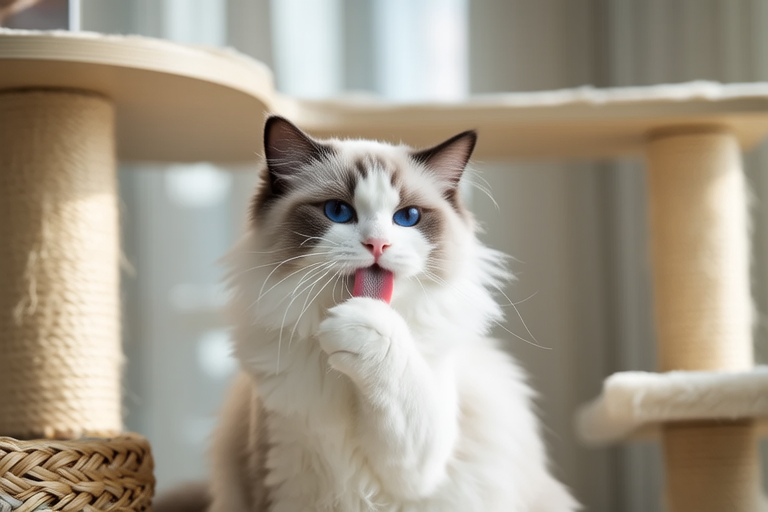
Welcome to the world of Ragdoll cats! Known for their affectionate nature and docile demeanor, these beautiful felines have captured the hearts of many pet owners. Ragdolls are a relatively new breed, first developed in the 1960s by Ann Baker, and they are prized for their stunning blue eyes, luxurious semi-longhaired coats, and their tendency to go limp when picked up. Caring for a Ragdoll requires understanding their unique characteristics and providing them with the best possible care. This article will guide you through essential aspects of Ragdoll cat care, including diet and nutrition, exercise and playtime, grooming needs, common health issues and preventive care, and creating a stimulating environment at home.
Diet and Nutrition
Proper nutrition is crucial for the overall health and well-being of your Ragdoll cat. Ragdolls are known for their large size, which means they require a balanced diet to maintain muscle mass and energy levels. A high-quality commercial cat food that meets the Association of American Feed Control Officials (AAFCO) standards is recommended. Look for foods that are rich in protein from animal sources, such as chicken, turkey, or fish, as these provide the necessary amino acids for muscle development and maintenance.
Ensure that your Ragdoll has access to fresh water at all times. Water is vital for digestion, circulation, and temperature regulation. Additionally, consider adding wet food to their diet, as it contains more moisture and can help prevent urinary tract issues that are common in indoor cats. If your Ragdoll is overweight, consult your veterinarian about a weight management plan that includes portion control and possibly switching to a lower calorie diet.
Scientifically, it’s important to note that cats are obligate carnivores, meaning their bodies are designed to process animal proteins most efficiently. Therefore, diets that mimic this natural diet are ideal. Omega-3 fatty acids, found in fish oil, can also be beneficial for maintaining skin and coat health, reducing inflammation, and supporting brain function.
Exercise and Playtime Recommendations
Ragdolls may seem lazy at first glance, but they are actually quite playful and enjoy interactive activities. Despite their relaxed nature, they need regular exercise to maintain a healthy weight and to keep their minds engaged. Interactive toys like feather wands, laser pointers, and puzzle feeders can stimulate both physical activity and mental engagement. These toys encourage stalking, pouncing, and chasing behaviors, which are instinctual for cats.
Playtime is also an excellent opportunity for bonding between you and your Ragdoll. Spend at least 15 minutes each day playing with your cat, which can help strengthen your relationship and reduce behavioral problems. Ragdolls, being social creatures, often enjoy the company of their human companions during play sessions.
Consider setting up climbing structures or cat trees to encourage vertical exploration. Climbing helps to develop muscles and provides mental stimulation. Rotate toys periodically to keep your Ragdoll interested and engaged. Regular exercise is particularly important for Ragdolls, as obesity can lead to joint problems and other health issues.
Grooming Needs
Ragdolls have semi-longhair coats that require regular grooming to prevent matting and tangling. Brush your Ragdoll at least twice a week with a slicker brush or a wide-toothed comb to remove loose hair and distribute natural oils throughout the coat. During shedding seasons, especially spring and fall, daily brushing may be necessary to manage the increased amount of shedding.
Bathing is generally not required unless your Ragdoll gets into something messy. However, if you do bathe your cat, use a gentle, pH-balanced shampoo formulated for cats. After bathing, dry your Ragdoll thoroughly to prevent chilling and discomfort. Regular grooming not only keeps your Ragdoll looking its best but also helps to prevent hairballs and improves the bond between you and your cat.
Trimming nails regularly is also important, as long nails can cause discomfort and interfere with normal activities. Use nail clippers designed for cats and be cautious not to cut the quick, which contains blood vessels and nerves. If you’re unsure about nail trimming, consult your veterinarian or a professional groomer for guidance.
Common Health Issues and Preventive Care
Ragdolls are generally healthy cats, but they are prone to certain genetic conditions. Hypertrophic cardiomyopathy (HCM), a heart disease characterized by thickening of the heart muscle, is one of the most serious health concerns for Ragdolls. Early detection through regular veterinary check-ups, including cardiac ultrasounds, can help manage the condition and improve quality of life.
Dental hygiene is another critical aspect of Ragdoll care. Tartar buildup can lead to periodontal disease, which affects not only oral health but also overall systemic health. Provide dental treats, brushes, and water additives designed to promote oral hygiene. Regular teeth cleaning by a veterinarian is also recommended.
Vaccinations and routine check-ups are essential for maintaining your Ragdoll’s health. Keep up with annual wellness visits, and discuss any changes in behavior or appearance with your veterinarian. Parasite prevention, including fleas, ticks, and intestinal worms, is also crucial. Many of these issues can be prevented with proper medication and environmental management.
Creating a Stimulating Environment at Home
Ragdolls are highly social animals that thrive in environments that cater to their needs for comfort and interaction. Provide your Ragdoll with cozy sleeping spots, such as soft beds or blankets in quiet areas of your home. Ragdolls often enjoy resting in elevated positions, so consider placing a comfortable perch near a window where they can observe the outside world.
Toys and scratching posts are essential for keeping your Ragdoll entertained and mentally stimulated. Scratching posts not only provide exercise but also help to keep claws healthy and trimmed. Rotate toys regularly to keep your cat interested and engaged. Puzzle feeders can also be used to slow down eating and provide mental stimulation.
Interactive playtime with your Ragdoll is key to their happiness. Spend time each day engaging in play, and consider incorporating training exercises to teach your cat simple commands or tricks. This not only strengthens your bond but also provides mental and physical stimulation.
Finally, ensure that your Ragdoll has a safe and secure living space. Ragdolls are generally calm and trusting, but they should still be protected from potential dangers, such as open windows or toxic plants. Secure outdoor spaces or supervised outdoor time can allow your Ragdoll to experience the outdoors safely.
Conclusion
Caring for a Ragdoll cat is a rewarding experience that requires attention to their specific needs. By providing a balanced diet, regular exercise, proper grooming, preventive healthcare, and a stimulating environment, you can ensure that your Ragdoll remains healthy, happy, and full of love. Remember that each cat is unique, so pay close attention to your Ragdoll’s individual preferences and adjust your care accordingly. With the right care and attention, your Ragdoll will bring years of joy and companionship into your life.
